Introduction
Maintaining a clean kitchen is more than just a routine chore. It is an essential practice that ensures food safety, promotes health, and creates a comfortable environment for cooking. Understanding the importance of cleanliness in the kitchen is crucial for both homeowners and culinary professionals. In this article, we will explore Top Tips: Why Is Cleaning Important In The Kitchen Explained, detailing practical approaches, health implications, and how maintaining hygiene can improve your overall cooking experience.
Understanding the Importance of Kitchen Cleanliness
Keeping the kitchen clean is not only about appearances. A hygienic kitchen prevents the growth of bacteria, avoids contamination, and minimizes the risk of foodborne illnesses. Studies show that bacteria such as Salmonella and E. coli can thrive on unclean surfaces and utensils, leading to severe health complications. Therefore, regular cleaning routines are not optional—they are necessary for safety.
Moreover, a clean kitchen promotes efficiency. Cooking in an organized environment reduces stress, saves time, and allows you to focus on creating delicious meals without worrying about germs or clutter. From countertops to cutting boards, every surface plays a role in maintaining a safe kitchen.
Daily Cleaning Practices for a Healthy Kitchen
Daily kitchen cleaning routines prevent the accumulation of grime and bacteria. Simple practices such as wiping countertops, washing dishes immediately after use, and sanitizing cutting boards make a significant difference.
Countertops and Work Surfaces
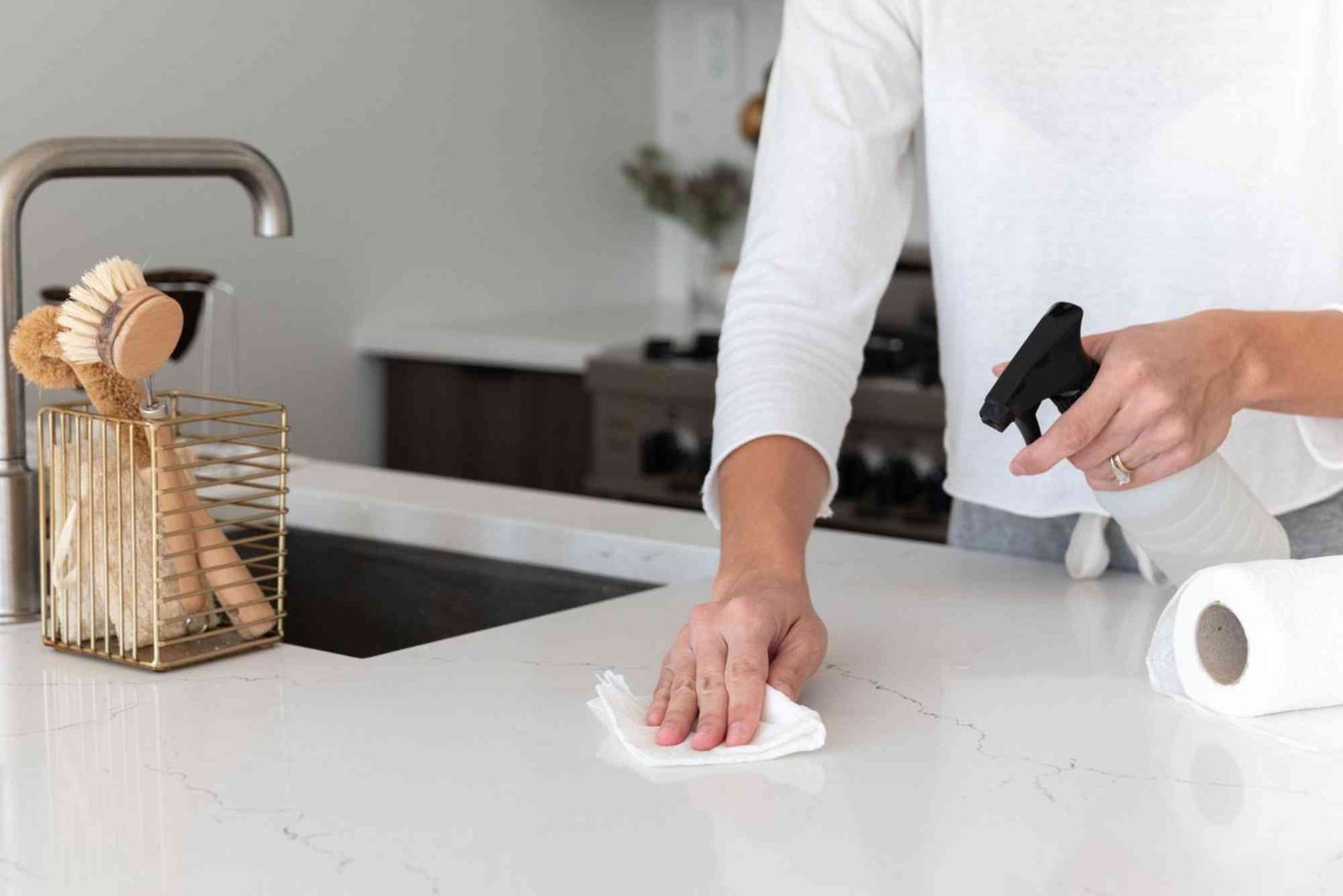
Countertops are the primary area for food preparation. Spills, crumbs, and food residues can become breeding grounds for bacteria if not cleaned properly. Use mild soap and warm water daily, followed by a disinfectant to ensure surfaces are safe for food handling.
Sinks and Faucets
Sinks are often overlooked but can harbor harmful bacteria. Rinse the sink after each use, scrub it with a soft brush, and use a disinfectant regularly. Faucets should also be wiped down, as water droplets can carry germs onto clean surfaces.

Utensils and Cutting Boards
Cross-contamination is a common kitchen hazard. Always wash utensils and cutting boards thoroughly after each use. Consider using separate boards for raw meat and vegetables to further prevent bacterial spread.
Weekly Deep Cleaning for Long-Term Hygiene
While daily cleaning addresses immediate messes, weekly deep cleaning ensures your kitchen remains safe and sanitary over time.
Appliances
Refrigerators, ovens, microwaves, and dishwashers need periodic cleaning. Remove food debris, wipe surfaces with disinfectants, and check for expired items in your fridge. A clean appliance extends its lifespan and reduces the risk of mold or contamination.
Cabinets and Drawers
Cabinets can accumulate dust, grease, and crumbs. Wipe them with a damp cloth and mild cleaner. Organize contents to make it easier to maintain hygiene regularly.
Floors
Kitchen floors are exposed to spills, dirt, and bacteria. Sweep daily and mop weekly using appropriate cleaning agents to maintain cleanliness and safety.
Health Benefits of a Clean Kitchen
A well-maintained kitchen contributes directly to health and well-being. Consistent cleaning reduces the risk of foodborne illnesses, allergic reactions, and infections.
For families with children or elderly members, kitchen hygiene is even more critical. Contaminated surfaces can trigger severe health issues, making regular cleaning an essential habit. Clean environments also reduce stress and improve mental well-being, making cooking more enjoyable.
Environmental Considerations
Using eco-friendly cleaning products is another important aspect of kitchen hygiene. Harsh chemicals may remove germs, but they can also harm the environment and leave harmful residues on surfaces. Opt for biodegradable and non-toxic cleaning agents, or natural alternatives like vinegar and baking soda. These products are effective for disinfecting and safe for your health.
Tips to Maintain Consistency in Kitchen Cleaning
Consistency is the key to a safe and hygienic kitchen. Establishing routines helps prevent buildup of dirt and bacteria. Incorporate cleaning into daily and weekly habits, and involve all household members in maintaining hygiene.
Planning ahead also helps. Allocate specific times for cleaning different areas of the kitchen, from countertops to appliances. A small daily effort prevents major cleaning sessions that are time-consuming and stressful.
Common Mistakes to Avoid
Even with good intentions, certain mistakes can undermine kitchen cleanliness. Avoid using the same sponge for multiple surfaces, as it can spread bacteria. Neglecting refrigerator cleaning is another frequent error that allows food contamination.
Improper storage of raw foods can also lead to cross-contamination. Always separate raw meats, poultry, and seafood from ready-to-eat items. Finally, using dirty towels to wipe surfaces or hands can undo all your cleaning efforts, so ensure towels are regularly laundered.
Kitchen Organization and Cleanliness
Organization is directly linked to cleanliness. A cluttered kitchen is harder to clean and increases the risk of accidents and contamination. Use labeled containers, designated shelves, and storage solutions to keep your kitchen tidy. Organized spaces also improve cooking efficiency and reduce food waste.
For those interested in professional kitchen planning, consider consulting guides on Home Depot kitchen design. Understanding Home Depot Kitchen Designer Salary insights can help you make informed decisions about designing functional and clean spaces that align with your budget and lifestyle. Check out resources like Home Depot Kitchen Designer Salary — practical guide for details.
Additionally, exploring Top Tips: Home Depot Kitchen Designer strategies can provide creative solutions for maintaining hygiene without compromising on style. See the guide here: Top Tips: Home Depot Kitchen Designer. Professional tips often highlight how layout, appliance choice, and material selection impact overall cleanliness and maintenance. For further reference, you may also find insights on Home Depot Kitchen Designer Salary 2 helpful.
Modern Cleaning Tools for Kitchens
Investing in modern cleaning tools enhances efficiency and hygiene. Microfiber cloths, steam cleaners, and UV sanitizers are effective at removing bacteria without damaging surfaces.
Robotic vacuum cleaners are also useful for keeping kitchen floors free from crumbs and dirt, especially in larger households. These tools save time and ensure a higher standard of cleanliness than manual cleaning alone.
Psychological Impact of a Clean Kitchen
A clean kitchen is visually appealing and psychologically satisfying. Clutter and dirt can create stress and reduce your enjoyment of cooking. On the other hand, an organized, sanitized space enhances focus, creativity, and motivation to prepare meals.
Make Kitchen Cleaning a Priority
Maintaining a clean kitchen is vital for health, safety, and efficiency. Implementing daily routines, weekly deep cleaning, proper storage, and eco-friendly cleaning products ensures a hygienic environment. Investing in organization and modern cleaning tools further enhances your kitchen’s cleanliness and functionality.
By understanding Top Tips: Why Is Cleaning Important In The Kitchen Explained, you can create a safe, enjoyable cooking space while reducing stress and health risks. Remember, a clean kitchen is not just about aesthetics—it’s about protecting yourself, your family, and your food.
Take the first step today: integrate cleaning routines into your daily life, and explore professional kitchen planning guides like Home Depot designer insights to optimize both hygiene and design. Your kitchen deserves the best care for a healthier lifestyle.
Discover a world of tips, guides, and insights to make your daily life easier and more productive. From tech hacks to lifestyle advice, Glorious Tip offers practical solutions for everyone. Stay informed, save time, and enhance your skills with expert recommendations. Explore now and unlock helpful content that truly makes a difference in your routine at Glorious Tip.
FAQ
Why is it important to clean the kitchen regularly?
Regular cleaning prevents bacteria growth, reduces food contamination risks, and keeps your cooking environment safe and organized.
How often should I deep clean my kitchen?
Weekly deep cleaning is recommended, including appliances, cabinets, and floors, to maintain hygiene and prevent mold or bacteria buildup.
Can a clean kitchen improve my cooking efficiency?
Yes, organized and sanitized spaces reduce clutter, making meal preparation faster, safer, and more enjoyable.
What are eco-friendly alternatives for kitchen cleaning?
Vinegar, baking soda, and biodegradable cleaning products effectively disinfect surfaces without harming health or the environment.
How does professional kitchen design influence cleanliness?
Professional design optimizes layout, appliance placement, and materials, making cleaning easier and reducing contamination risks. Resources like Top Tips: Home Depot Kitchen Designer provide guidance on creating functional, clean kitchens.