Introduction
Data breaches have become one of the most pressing concerns for businesses of all sizes. Cybercriminals are constantly evolving their tactics, and even small mistakes can lead to significant losses. Understanding the best ways to prevent data breaches is critical not just for large enterprises but also for small companies that may think they are safe from attacks. Preventing breaches requires a combination of technology, policy, and employee awareness. Organizations must take a proactive approach rather than reacting after an incident occurs.
Understanding the Risks of Data Breaches
A data breach occurs when unauthorized individuals gain access to sensitive information such as customer data, financial records, or proprietary company information. These incidents can be devastating, leading to financial loss, reputational damage, and legal consequences. Cybercriminals often exploit weak passwords, outdated software, or human error to gain access. For businesses, the cost of a breach is not only monetary but also impacts customer trust and operational efficiency.
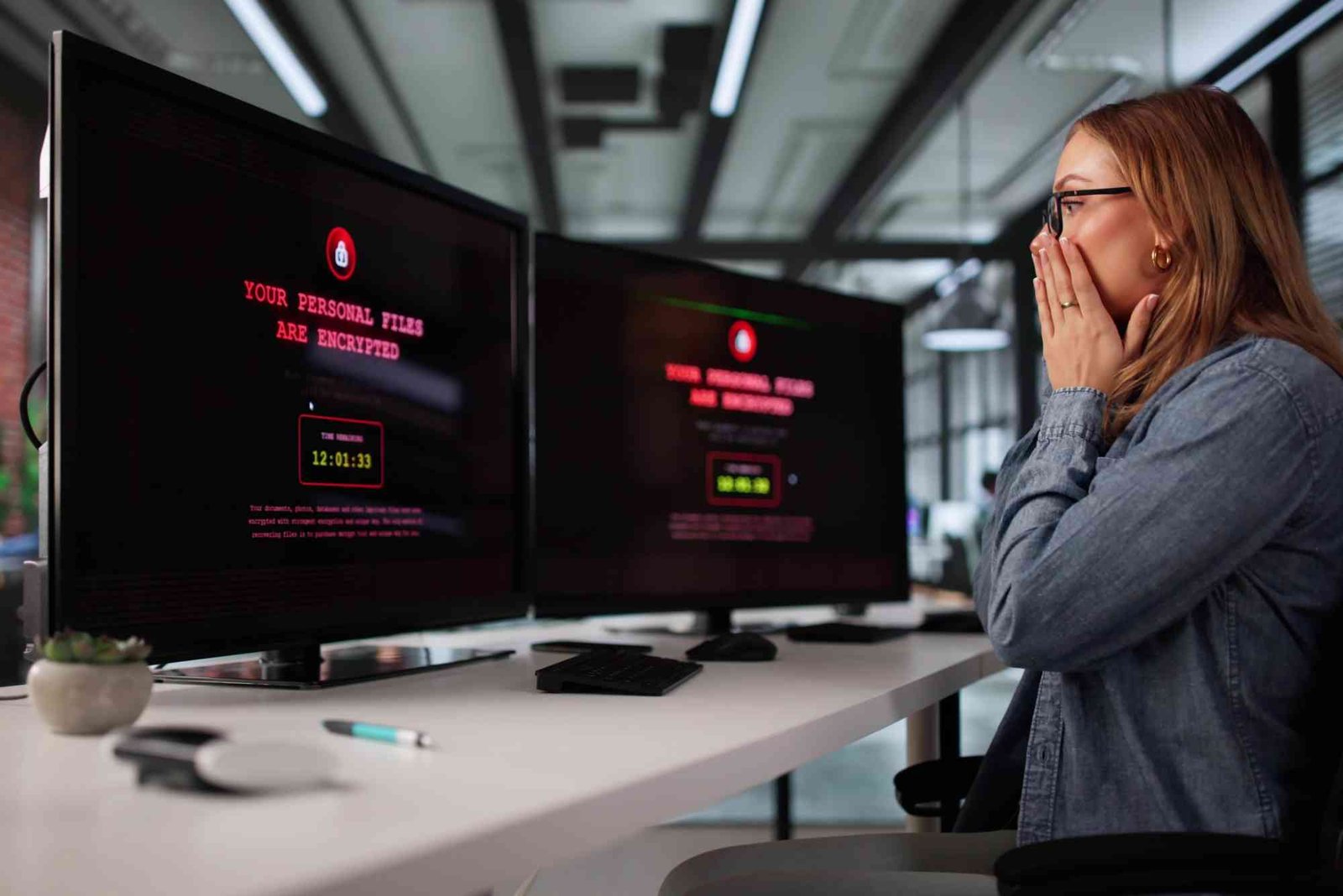
Cyberattacks are becoming increasingly sophisticated, often targeting vulnerabilities in software, networks, and employee behavior. Hackers may use phishing emails, ransomware, or malware to infiltrate systems. Organizations that underestimate these threats are at a higher risk. Awareness of these risks is the first step in implementing effective measures.
Investing in Strong Security Infrastructure
Building a robust security infrastructure is essential in the best ways to prevent data breaches. Organizations should ensure that all systems are updated regularly with the latest security patches. Firewalls, antivirus software, and intrusion detection systems play a critical role in protecting data from unauthorized access. Encryption is also a vital tool that ensures sensitive information is unreadable if intercepted.
Investing in cloud security measures is equally important. Many businesses rely on cloud services, and without proper safeguards, these platforms can become a target for cybercriminals. Security configurations should be regularly reviewed, and access controls must be implemented to restrict who can view or modify sensitive information.
Employee Training and Awareness
Employees are often the weakest link in data security. Human error can lead to accidental exposure of sensitive information. Regular training sessions on cybersecurity best practices help reduce this risk. Employees should be aware of phishing attacks, suspicious links, and the importance of strong, unique passwords.

Organizations should foster a culture where security is everyone’s responsibility. Employees must feel comfortable reporting potential threats without fear of punishment. Simulated phishing exercises and awareness campaigns can reinforce safe behavior and minimize the risk of breaches caused by internal mistakes.
Implementing Multi-Factor Authentication
Multi-factor authentication (MFA) is a simple yet powerful tool in the best ways to prevent data breaches. By requiring users to provide multiple forms of verification, such as a password and a one-time code sent to a mobile device, businesses add an extra layer of protection. Even if a password is compromised, MFA prevents unauthorized access.
MFA is particularly effective for email accounts, cloud services, and administrative portals. Implementing MFA across all critical systems significantly reduces the likelihood of a successful cyberattack.
Regular Data Backups and Recovery Plans
Data breaches often involve data loss or corruption. Regular backups are essential to ensure business continuity. Organizations should store backups in multiple locations, including offline or offsite storage. These backups must be encrypted to prevent unauthorized access.
A well-defined disaster recovery plan complements backups by outlining the steps to restore systems after a breach. This plan should include clear roles and responsibilities, communication protocols, and procedures for quickly regaining access to critical data. Being prepared minimizes downtime and reduces the overall impact of a breach.
Monitoring and Incident Response
Constant monitoring of networks and systems is crucial in preventing data breaches. Organizations should employ tools to detect unusual activity, such as multiple failed login attempts or unauthorized access to sensitive files. Early detection allows for immediate action before a breach escalates.
An incident response plan ensures that breaches are handled efficiently. This plan should include procedures for isolating affected systems, notifying stakeholders, and conducting a thorough investigation. Post-incident analysis helps organizations identify vulnerabilities and prevent future breaches.
Secure Mobile and Remote Access
With remote work becoming more common, securing mobile devices and remote connections is critical. Businesses should implement virtual private networks (VPNs) for secure connections and enforce device security policies. Mobile devices should have encryption enabled and be protected with strong passwords or biometric authentication.
Limiting access to sensitive data based on job roles also minimizes exposure. Employees should only have access to the information necessary to perform their duties. By controlling access and securing remote connections, organizations reduce the risk of breaches caused by unsecured devices.
Third-Party Risk Management
Many data breaches occur through third-party vendors with weaker security measures. Organizations should conduct thorough security assessments of all partners and require compliance with data protection standards. Contracts should include clear guidelines on handling sensitive data and reporting incidents.
Regular audits and continuous monitoring of third-party systems help identify vulnerabilities before they can be exploited. Choosing vendors with strong cybersecurity practices strengthens the overall defense against data breaches.
Data Encryption and Secure Communication
Encryption protects data both at rest and in transit. Sensitive information should be encrypted on servers, cloud storage, and portable devices. Secure communication channels, such as encrypted emails and messaging platforms, prevent interception by unauthorized parties.
By encrypting data, even if attackers gain access, they cannot easily read or use the information. Encryption is a critical component in the best ways to prevent data breaches and should be part of every organization’s security strategy.
Maintaining Compliance and Security Policies
Adhering to regulatory standards, such as GDPR, HIPAA, or CCPA, ensures that businesses maintain strong data protection practices. Clear security policies outline acceptable use of data, password requirements, and procedures for reporting breaches.
Regularly reviewing and updating policies ensures they remain relevant as threats evolve. Employees should be trained to follow these policies consistently, reducing the likelihood of human error leading to a breach. Compliance not only protects data but also builds customer trust.
Preventing data breaches is an ongoing process that requires vigilance, investment, and employee awareness. By implementing strong security infrastructure, conducting regular training, enforcing MFA, and preparing for incidents, businesses can significantly reduce the risk of breaches. Organizations must stay proactive, monitor for threats, and adapt to new security challenges. Taking these steps ensures sensitive data remains safe, customers stay confident, and businesses continue to operate smoothly. Protect your data today by reviewing your security measures and implementing the best ways to prevent data breaches.
Boost your business performance by learning how to improve IT efficiency in small companies. Streamline workflows, adopt smart tools, and optimize resources to save time and reduce costs. Discover practical strategies and tips to enhance productivity and keep your IT systems running smoothly. Read more here.
FAQs
What is the most effective way to prevent a data breach?
The most effective method combines employee training, multi-factor authentication, encryption, and continuous monitoring.
How often should data backups be performed?
Data backups should be performed regularly, ideally daily, and stored in secure, offsite locations.
Can small businesses be targeted for data breaches?
Yes, cybercriminals often target small businesses with weaker security systems.
Is encryption necessary for all types of data?
Sensitive data, such as financial records, personal information, and intellectual property, should always be encrypted.
How can employees help prevent data breaches?
Employees should follow security policies, use strong passwords, recognize phishing attempts, and report suspicious activity immediately.
Related Reading: ATM Machine Service: 8 Ways to Keep ATMs Reliable