Introduction
A gas stove should provide steady, controlled heat for cooking. However, when the flame becomes unusually large or the cooking surface gets extremely hot, it can become difficult to control temperatures. Top Tips: Why Gas Stove Produces Excessive Heat Explained explores the common reasons behind excessive heat and explains what you can do about them. Understanding the cause is important because excessive heat can waste fuel, damage cookware, and create unnecessary safety risks. In many cases, the issue is connected to the burner, gas supply, airflow, cookware, or incorrect settings.
Top Tips: Why Gas Stove Produces Excessive Heat Explained
The first step is understanding what excessive heat actually means. A gas stove naturally produces intense heat, especially on its highest setting. However, a problem may exist when the flame remains unusually strong at a low setting. It can also be concerning when food burns quickly despite normal settings.
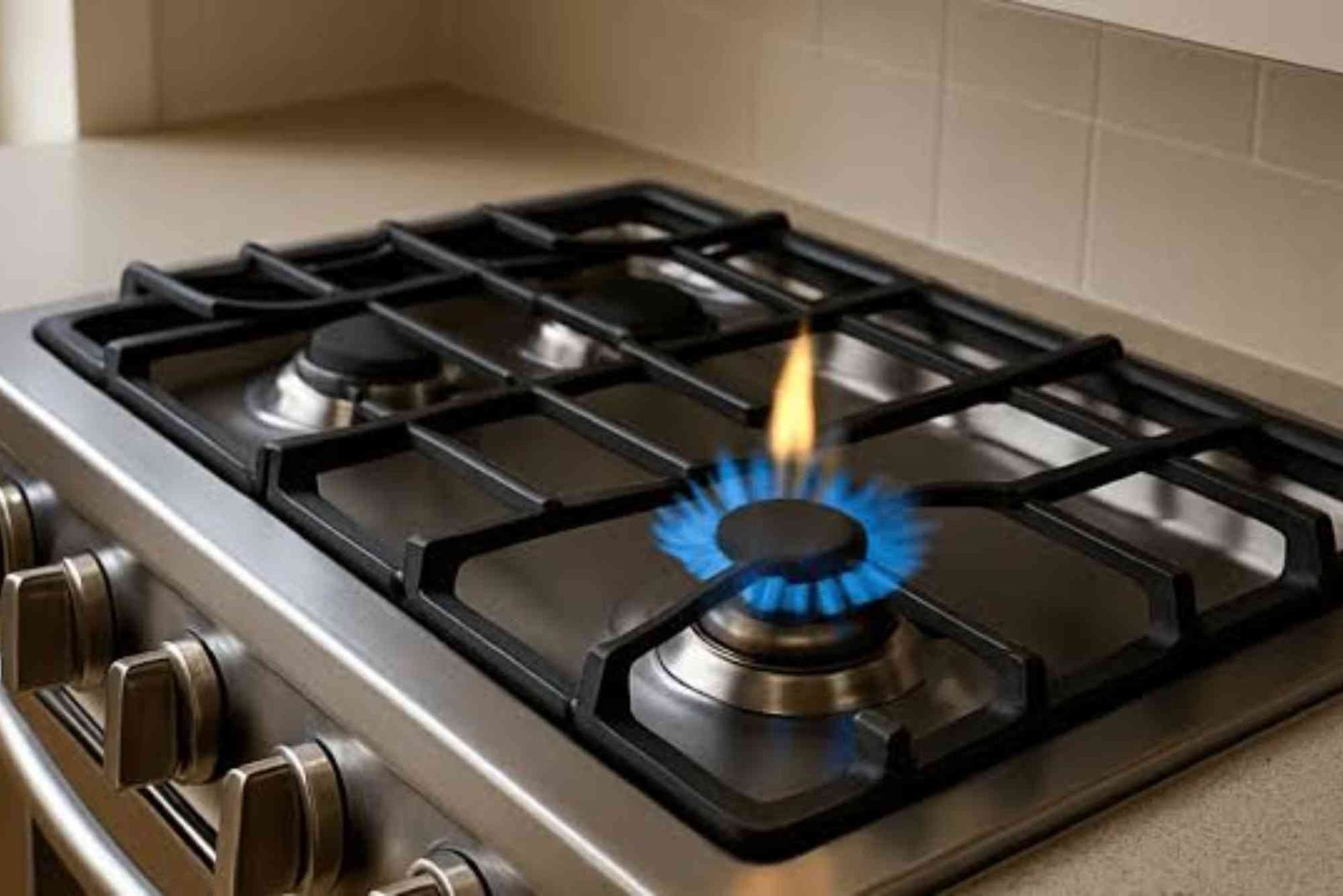
Top Tips: Why Gas Stove Produces Excessive Heat Explained starts with the flame itself. A healthy burner generally produces a stable blue flame. A flame that is very large, unstable, yellow, or uneven deserves attention.
Different causes can create similar symptoms. Therefore, simply lowering the control knob may not solve the underlying problem. Instead, observe the burner carefully and identify when the excessive heat occurs.
Burner Problems Can Create Excessive Heat
One common reason for excessive heat is a burner that is not functioning correctly. Burner caps can become dirty or incorrectly positioned after cleaning. Even a small alignment problem can affect the way gas and air mix.

When the burner cap sits incorrectly, flames may spread unevenly. Some areas can become much hotter than others. This situation can also make cooking less predictable.
Before inspecting a burner, turn the stove off completely. Allow all components to cool. Once they are safe to handle, check whether the burner cap sits properly in its intended position.
Food residue can also block burner openings. Grease, spilled sauces, and other debris may interfere with flame distribution. Gentle cleaning can restore normal operation in some situations.
However, avoid enlarging burner openings or using sharp objects aggressively. Altering these openings can affect gas flow and create a dangerous condition.
Incorrect Gas Pressure May Be the Cause
Gas pressure plays an important role in stove performance. If the pressure is higher than the appliance requires, burners may produce stronger flames than expected.
This problem can occur because of an incorrect regulator or an unsuitable gas supply arrangement. It may also happen after installation or modification of a gas system.
Gas pressure problems should not be treated as a simple home adjustment. Gas appliances require correctly matched components and appropriate pressure levels.
If every burner appears unusually powerful, the issue may involve the gas supply rather than one individual burner. In this situation, stop experimenting with the appliance and contact a qualified gas technician.
Professional inspection is particularly important when you notice unusual smells, hissing sounds, unstable flames, or other unexpected symptoms.
Airflow Affects the Flame
A gas flame depends on the correct mixture of fuel and air. When that mixture changes, flame appearance and heat output can change as well.
A burner that receives the wrong amount of air may burn inefficiently. Depending on the appliance design and fault, the flame can become unstable or develop an unusual colour.
This is one reason Top Tips: Why Gas Stove Produces Excessive Heat Explained should not focus only on the gas supply. Combustion requires both fuel and oxygen.
Ventilation around the appliance also matters. Keep the area around the stove clear and avoid blocking ventilation openings designed for the appliance.
If you suspect an internal airflow or combustion adjustment problem, professional servicing is safer than attempting to modify the burner yourself.
A Faulty Control Valve Can Increase Heat
The control knob allows you to regulate the amount of gas reaching the burner. Behind that knob is a valve mechanism that controls gas flow.
If a control valve becomes worn or damaged, the burner may not respond correctly. For example, turning the knob toward a low setting may not reduce the flame sufficiently.
This can make the stove appear excessively powerful even when the user selects a lower temperature.
A control valve problem should be inspected by a qualified professional. Gas components should not be dismantled casually because incorrect assembly can create serious hazards.
If only one burner behaves differently while the others operate normally, its individual control mechanism may deserve attention.
The Wrong Cookware Can Make Heat Feel Excessive
Sometimes the stove is working normally, but cookware makes the heat seem unusually intense. Different materials transfer and retain heat differently.
Thin pans can become extremely hot very quickly. Dark cookware may also absorb more radiant heat than lighter surfaces. Similarly, a small pan placed over a large burner can receive excessive heat around its base.
Choosing an appropriately sized burner can make a noticeable difference. A small saucepan usually does not require the largest burner at full power.
Using moderate heat can also improve cooking results. Many dishes do not require maximum flame once the pan has reached the desired temperature.
Burner Size and Flame Size Should Match
Large burners are designed for higher heat output. Small burners generally provide better control for delicate cooking.
A common mistake is using a large burner for every cooking task. This can result in excessive heat, especially when preparing sauces, warming food, or simmering liquids.
Instead, match the cookware to the burner whenever possible. The flame should generally stay beneath the cookware rather than extending far beyond its base.
When flames extend around the sides of a pan, heat is being transferred inefficiently. The surrounding handles and nearby surfaces can also become unnecessarily hot.
This simple adjustment can improve cooking control without requiring any repair.
Why Low Heat May Still Feel Too Hot
Many people assume that the lowest setting should produce almost no heat. However, even a properly operating gas stove produces significant heat on low.
The important question is whether the flame actually decreases when the control is turned down. A low flame that remains stable can be completely normal.
The problem arises when the flame stays unusually large or refuses to reduce. That behaviour may indicate an issue with the control valve, regulator, burner assembly, or gas pressure.
Try observing the flame rather than judging heat only from the food. Flame behaviour provides useful information about whether the appliance is operating normally.
Cleaning Can Improve Burner Performance
Regular cleaning helps maintain consistent burner performance. Spilled food can block burner ports and disturb the flame pattern.
Allow the stove to cool completely before cleaning. Remove removable burner components according to the manufacturer’s instructions.
Use appropriate cleaning methods and ensure components are completely dry before reinstalling them. Moisture or incorrect placement can affect ignition and flame quality.
Avoid harsh modifications. Never drill, enlarge, or reshape burner openings to increase or reduce flame output.
If cleaning does not correct the problem, further inspection may be necessary.
Safety Should Come Before Troubleshooting
Gas appliances require careful handling. If you smell gas, do not continue testing the stove.
Avoid creating sparks, operating electrical switches unnecessarily, or using an open flame to investigate a suspected leak. Move away from the appliance and follow appropriate local gas emergency procedures.
A qualified technician should inspect suspected gas leaks and internal gas components.
You should also avoid attempting to adjust a gas regulator without the necessary qualifications. A seemingly small adjustment can affect the entire appliance.
The safest approach to Top Tips: Why Gas Stove Produces Excessive Heat Explained is to separate simple user adjustments from technical repairs.
Understanding Temperature Control
Gas stoves do not usually provide precise temperature numbers like electric ovens. Instead, heat is controlled through flame size and cookware response.
For better results, start with the required heat level and adjust gradually. Once food reaches the desired temperature, reducing the flame can prevent overheating.
For example, bringing water to a boil may require higher heat initially. Maintaining a gentle simmer afterward usually requires much less energy.
This approach also reduces fuel consumption. More flame does not always mean faster cooking because excess heat can escape around the cookware.
How Media Planning Connects With Effective Communication
Clear explanations are valuable beyond appliance maintenance. Businesses also need to communicate useful information to the right audience. For readers interested in marketing strategy, What Is Media Planning In Advertising explains how media planning can help organize advertising decisions.
Likewise, Top Tips: What Is Media Planning provides another useful resource for understanding how advertising campaigns can be planned around audience needs and communication goals.
For businesses exploring different forms of promotional content, What Is Video Advertising — A can also serve as a related reference point when considering how visual communication reaches audiences.
When Professional Repair Is Necessary
Some stove problems are simple. Others require technical expertise. Knowing the difference can prevent unnecessary risks.
Professional service is appropriate when excessive heat affects multiple burners. It is also important when the flame remains unusually large on low settings.
You should seek qualified help if the stove produces unusual sounds, smells of gas, repeatedly fails to ignite, or shows signs of damaged components.
A professional can inspect gas pressure, regulators, valves, burner assemblies, and other components safely.
Attempting to repair these parts without suitable knowledge can turn a manageable appliance problem into a serious safety issue.
Frequently Asked Questions
Why is my gas stove flame so high?
A high flame can result from incorrect burner settings, blocked or misaligned burner components, excessive gas pressure, or a faulty control mechanism. If lowering the control does not reduce the flame, professional inspection is recommended.
Why is my gas stove producing too much heat?
A stove may produce excessive heat because of burner problems, gas pressure issues, incorrect cookware, or a malfunctioning control valve. Identifying whether one burner or all burners are affected can help narrow down the cause.
Should a gas stove flame be blue?
A stable blue flame is generally associated with proper combustion. Yellow or unusual flames can indicate incomplete combustion or another appliance issue. Persistent abnormal flames should be professionally inspected.
Why does my gas stove stay hot after cooking?
The burner and cookware retain heat after the flame is turned off. Nearby surfaces can also remain warm. Allow sufficient cooling time before cleaning or handling components.
Why is my gas burner not reducing to a low flame?
A burner that remains high when turned down may have a problem with its control valve, gas pressure, or burner mechanism. Do not modify the gas components yourself.
Can a dirty burner cause excessive heat?
Yes. Food residue can interfere with burner openings and change the flame pattern. Cleaning removable components correctly may improve performance. Persistent problems require further inspection.
Conclusion
Understanding Top Tips: Why Gas Stove Produces Excessive Heat Explained can help you recognise unusual stove behaviour before it becomes a bigger problem. Burner condition, gas pressure, airflow, control valves, cookware, and burner size can all affect heat performance.
Discover practical ideas, helpful advice, and easy-to-follow tips designed to make everyday tasks simpler. Glorious Tip brings together useful information across a variety of topics, helping readers find valuable insights in one convenient place.
Related Reading: Top Tips: Oven Not Maintaining Temperature Easy Fixes Explained