Introduction
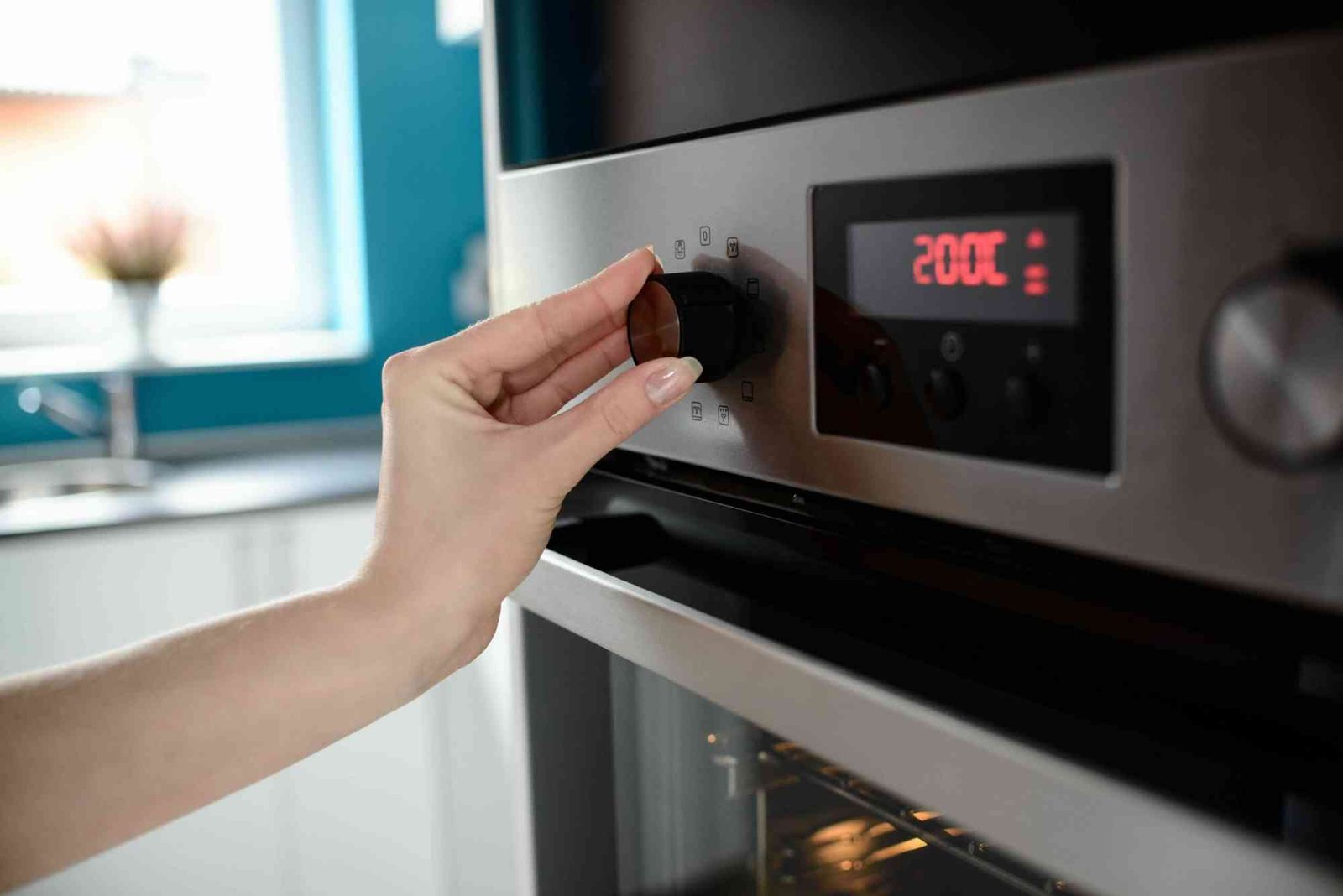
An oven that is not maintaining temperature can quickly turn cooking into a frustrating experience. You may set the oven to 180°C, yet the internal temperature keeps rising, falling, or changing unexpectedly. As a result, cakes may remain undercooked, meat can cook unevenly, and baked dishes may take much longer than expected.
Understanding the cause is the first step toward finding the right solution. Sometimes, the problem is simple and can be corrected at home. In other cases, a damaged component requires professional attention. This guide, Top Tips: Oven Not Maintaining Temperature Easy Fixes Explained, explores the most common reasons for temperature problems and explains practical ways to address them safely.
Before replacing expensive parts, it is worth checking the basics. Incorrect settings, poor door seals, dirty sensors, and inaccurate temperature readings can all affect oven performance. However, electrical faults should always be handled carefully.
Top Tips: Oven Not Maintaining Temperature Easy Fixes Explained
When an oven struggles to maintain the selected temperature, several components could be responsible. The thermostat, temperature sensor, heating elements, control board, and door seal all play important roles.
An oven normally cycles its heating elements on and off. This process maintains the desired temperature rather than keeping the elements running continuously. Therefore, small temperature changes are completely normal.
The problem becomes more serious when the temperature changes dramatically. For example, an oven set to 180°C might repeatedly drop below the required cooking temperature. It may also become excessively hot despite the selected setting.

The first step is to determine whether the temperature problem is real. Your oven display may not always provide an accurate picture of the actual internal temperature.
Check the Oven Temperature With a Thermometer
One of the easiest ways to investigate an oven temperature problem is with an independent oven thermometer. Place the thermometer on the centre rack and preheat the oven according to the manufacturer’s instructions.
Allow enough time for the oven to reach its selected temperature. Then observe the thermometer over several heating cycles.
Some variation is expected because ovens regulate temperature through heating cycles. However, a consistently large difference between the selected and actual temperature suggests a potential fault.
If your oven is consistently too hot or too cold, the thermostat or temperature sensor may need attention. A thermometer can therefore help prevent unnecessary repairs.
Inspect the Temperature Sensor
The temperature sensor helps the oven determine how hot the cooking compartment is. If the sensor becomes damaged, displaced, or contaminated, the oven may receive incorrect temperature information.
Look inside the oven for a small metal probe, usually positioned toward the rear wall. It should not be touching the oven wall or another component.
Check whether the sensor appears bent or visibly damaged. Also, clean away any food residue that may have accumulated around it.
Do not remove electrical components unless you understand the appliance’s service requirements. If the sensor looks damaged, professional replacement may be safer.
Examine the Heating Elements
Heating elements are another common cause of temperature problems. Electric ovens generally use separate elements for different cooking functions.
A damaged element may fail to heat properly. It can also create uneven heating inside the oven.
After the oven has cooled completely, visually inspect the elements for obvious damage. Look for blistering, cracking, unusual discolouration, or areas that appear burnt.
Never touch heating elements immediately after cooking. They can remain extremely hot for some time.
If an element does not appear to heat normally, arrange a professional inspection. Replacing an electrical component incorrectly can create safety risks.
Check the Oven Door Seal
A damaged door seal can allow significant amounts of heat to escape. Consequently, the oven may struggle to maintain its selected temperature.
Inspect the rubber or fibreglass gasket around the door. Look for cracks, gaps, loose sections, or flattened areas.
The door should close firmly without excessive movement. If you can feel substantial heat escaping around the edges, the seal may require replacement.
A good door seal improves heat retention and helps the oven maintain a stable cooking environment. It can also support more efficient energy use.
Avoid Opening the Oven Door Too Often
Opening the oven door repeatedly can cause temperature fluctuations. Every time the door opens, hot air escapes and cooler air enters.
This is particularly important when baking. Cakes, bread, soufflés, and other temperature-sensitive foods can be affected by sudden changes.
Instead, use the oven light and viewing window whenever possible. If you need to check food, open the door briefly and close it immediately.
Although this may not solve an underlying mechanical fault, it can reduce unnecessary temperature fluctuations.
Clean the Oven Regularly
Heavy grease and food residue can affect how heat circulates inside the oven. Excessive buildup can also interfere with sensors and airflow.
A clean oven generally provides more predictable cooking conditions. However, cleaning should be performed according to the appliance manufacturer’s instructions.
Avoid damaging temperature sensors or heating elements while cleaning. Harsh chemicals can also damage certain surfaces.
If the oven has a self-cleaning function, read the manufacturer’s guidance before using it. Not every appliance supports the same cleaning method.
Check the Oven Settings
Sometimes the issue is not a mechanical failure. Incorrect cooking settings can create the impression that an oven is not maintaining temperature.
Modern ovens may include conventional baking, fan-assisted cooking, grill, defrost, and other functions. Each mode distributes heat differently.
For example, fan-assisted cooking may require a lower temperature than conventional cooking. Always follow the cooking instructions provided for your specific oven type.
Also check whether a timer, delayed-start function, or special cooking mode has been activated accidentally.
Consider Oven Calibration
Some ovens allow users to adjust temperature calibration through the control panel. This feature can compensate for minor differences between the displayed and actual temperature.
However, calibration should not be used to hide a serious mechanical fault. First confirm the actual temperature with a reliable oven thermometer.
If the oven is consistently off by a small amount, calibration may solve the problem. Follow the manufacturer’s instructions because the adjustment procedure varies between models.
If the temperature difference is large or inconsistent, the appliance may need professional diagnosis.
When a Faulty Thermostat May Be Responsible
A thermostat controls temperature by responding to changes inside the oven. If it becomes inaccurate, the oven may switch the heating system on or off at the wrong time.
Common symptoms include food taking much longer to cook, excessive browning, or an oven that repeatedly becomes too hot.
Older ovens can be particularly susceptible to thermostat problems. However, modern electronic appliances can experience similar issues through sensor or control faults.
A qualified technician can test the relevant components and determine whether replacement is necessary.
Why the Control Board Can Cause Temperature Problems
Modern ovens rely heavily on electronic control systems. The control board manages signals from sensors, thermostats, timers, and heating components.
If the control board develops a fault, the oven may behave unpredictably. It might fail to heat, overheat, or cycle incorrectly.
Because control boards contain electrical components, diagnosing them is usually not a suitable DIY project. A technician can test the appliance and identify whether the board is actually responsible.
Replacing a control board without proper diagnosis can be expensive and unnecessary.
How Oven Problems Affect Cooking Results
Temperature consistency matters because recipes depend on controlled heat. Even a small temperature difference can change cooking times and final results.
Baked goods are particularly sensitive. Cookies may spread differently, cakes may collapse, and bread may develop an uneven crust.
Roasted foods can also suffer. Meat may brown too quickly on the outside while remaining undercooked inside.
Therefore, fixing temperature problems is not simply about convenience. Reliable temperature control supports better cooking results and reduces wasted ingredients.
For readers interested in understanding how planning concepts influence communication and consumer decisions, What Is Media Planning In Advertising offers useful background on the role of structured planning in advertising.
When You Should Call a Professional
Some oven problems are relatively simple to identify. However, electrical repairs require additional caution.
You should consider professional assistance if the oven repeatedly overheats, trips a circuit breaker, produces burning smells, or shows electrical warning signs.
Professional help is also appropriate when heating elements, sensors, thermostats, or control boards require replacement.
Before arranging service, record the oven’s brand and model number. Describe the temperature symptoms clearly and explain when the problem occurs.
This information can help a technician prepare for a more efficient diagnosis.
How to Prevent Future Temperature Problems
Regular maintenance can reduce the likelihood of temperature-related problems. Keep the oven clean and avoid damaging the door seal during cleaning.
Do not place foil directly against heating elements unless the manufacturer specifically permits it. Avoid blocking ventilation openings and follow the recommended installation requirements.
It is also useful to monitor cooking performance. If meals suddenly begin taking longer than usual, investigate the issue early.
Checking temperature accuracy occasionally with an oven thermometer can also reveal gradual changes before they become major problems.
Understanding Media Planning and Practical Strategy
Although oven maintenance and advertising appear unrelated, both involve understanding the importance of consistency and proper planning. Businesses need reliable systems to achieve predictable results, just as an oven needs functioning components to maintain stable cooking temperatures.
If you are researching advertising concepts alongside practical home and lifestyle topics, Top Tips: What Is Media Planning explains media planning in a straightforward way.
Similarly, video has become an important part of modern advertising strategies. Businesses use visual content to attract attention and communicate messages quickly. You can explore the subject further through What Is Video Advertising — A.
Frequently Asked Questions
Why is my oven not maintaining temperature?
An oven may fail to maintain temperature because of a faulty sensor, thermostat, heating element, damaged door seal, or control problem. Incorrect settings can also create temperature differences.
How do I know if my oven temperature is accurate?
Use a standalone oven thermometer. Place it on the centre rack and compare its reading with the temperature selected on your oven.
Why does my oven temperature keep going up and down?
Normal ovens cycle between heating and resting periods. Small fluctuations are expected. Large or repeated temperature changes can indicate a faulty component.
Can a bad oven seal cause temperature problems?
Yes. A damaged door seal allows heat to escape. The oven may then work harder and struggle to maintain the selected temperature.
How often should an oven be checked?
There is no universal schedule for every appliance. However, unusual cooking results, temperature changes, or visible component damage should be investigated promptly.
Is it safe to repair an oven myself?
Simple cleaning and visual checks are usually manageable when the oven is completely cool. Electrical repairs should generally be performed by a qualified professional.
Conclusion
An oven that cannot maintain a consistent temperature can make everyday cooking unnecessarily difficult. Fortunately, the cause is not always complicated. Checking the actual temperature, inspecting the door seal, cleaning the appliance, and reviewing the settings are sensible first steps.
Discover useful ideas, practical advice, and helpful insights with Glorious Tip. From everyday solutions and informative guides to lifestyle inspiration and helpful recommendations, the platform offers content designed to make learning easier. Whether you are looking for fresh tips or simple answers to common questions, Glorious Tip provides valuable information that can help you make better decisions and explore new ideas.
Related Reading: Top Tips: Why Gas Stove Produces Excessive Heat Explained
Related Reading: Top Tips: Can Bph Be Cured Naturally Explained