Introduction
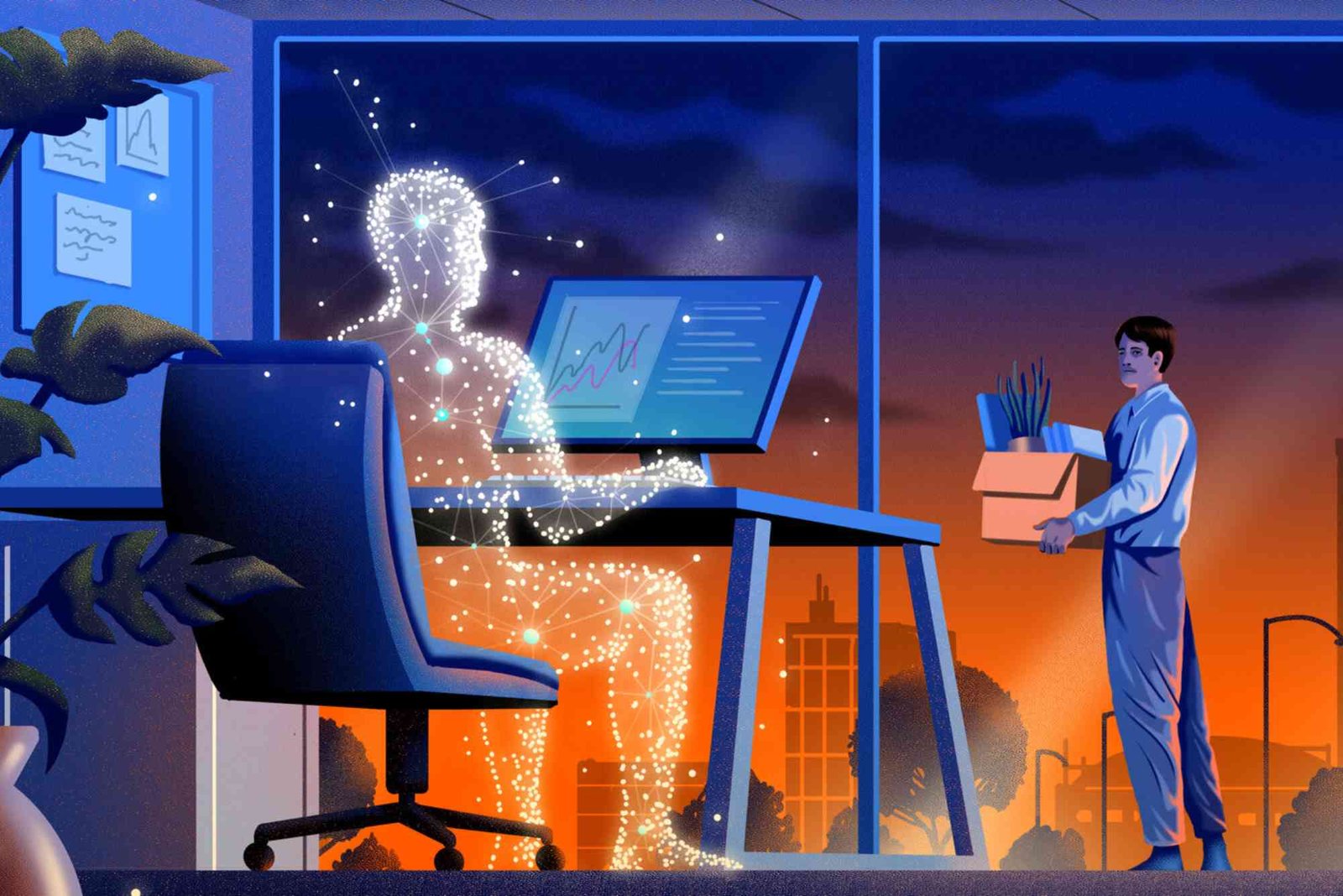
Technology is transforming the way we work at an unprecedented pace. From artificial intelligence to automation, digital platforms, and advanced robotics, the landscape of employment is evolving. Understanding how technology is impacting the future of jobs is essential for both employees and employers. Adaptation and upskilling are becoming vital as industries embrace technological innovations that redefine roles, expectations, and skill requirements. This shift is not just about replacing human labor but reshaping the nature of work itself.
Automation and Job Transformation
One of the most significant ways technology is impacting the future of jobs is through automation. Machines and software now handle repetitive and mundane tasks across multiple sectors. Industries such as manufacturing, logistics, and customer service increasingly rely on automated processes. This evolution allows businesses to improve efficiency and reduce costs. While some traditional roles may decrease, technology also creates new opportunities that require different skill sets. Automation encourages workers to focus on higher-value tasks, such as problem-solving, strategic planning, and creative thinking, which machines cannot replicate.
Artificial Intelligence and Decision Making
Artificial intelligence (AI) is not only automating routine tasks but also assisting in complex decision-making. AI algorithms analyze vast amounts of data to identify patterns, forecast trends, and provide actionable insights. In fields like healthcare, finance, and marketing, AI aids professionals in making more informed decisions faster than ever. This technology enhances productivity, reduces errors, and allows humans to focus on strategic responsibilities. However, adapting to AI requires learning new tools, understanding data interpretation, and collaborating with intelligent systems, making continuous education critical for future careers.
Remote Work and Digital Collaboration
Technology has drastically changed workplace dynamics, with remote work becoming a norm. Cloud computing, collaboration platforms, and communication tools allow teams to work from anywhere globally. This flexibility improves work-life balance, reduces operational costs, and widens talent access. Digital collaboration tools also enable real-time project management and seamless communication, ensuring teams remain connected regardless of location. As remote work continues to expand, employees must acquire skills in virtual communication, time management, and cybersecurity to thrive in increasingly digital work environments.
Emergence of New Job Roles
Technological advancements create entirely new job categories. Positions such as AI specialists, data scientists, cloud engineers, cybersecurity analysts, and digital marketers did not exist a decade ago. As industries evolve, emerging technologies like blockchain, machine learning, and Internet of Things (IoT) generate roles that require specialized knowledge. This transformation highlights the importance of continuous learning and adaptability. Professionals who embrace lifelong learning and diversify their skill sets will be better positioned to capitalize on opportunities in the evolving job market.
Upskilling and Lifelong Learning
With technology reshaping job requirements, upskilling and reskilling are essential. Workers need to acquire digital skills, understand advanced software, and develop analytical and critical thinking capabilities. Employers increasingly invest in training programs to ensure staff remain competitive and adaptable. Online courses, virtual workshops, and certification programs make it easier than ever to learn new skills. Individuals who prioritize continuous education gain a competitive edge and are better equipped to navigate technological disruptions in their careers.
Impact on Traditional Industries
Traditional industries are undergoing significant transformations due to technology. Manufacturing now integrates robotics and smart factories, reducing manual labor while increasing efficiency. Retail leverages e-commerce platforms and AI-driven inventory management, altering consumer interaction and purchasing behavior. Healthcare incorporates telemedicine, wearable devices, and AI diagnostics, improving patient care while changing job responsibilities for medical professionals. These advancements demand workers adapt to new technologies and processes to remain relevant and competitive.
Job Displacement and Workforce Challenges
While technology creates opportunities, it also brings workforce challenges. Job displacement is a reality in sectors where automation replaces routine tasks. Employees in repetitive or low-skill roles may face uncertainty unless they reskill or transition to tech-driven roles. Governments, organizations, and educational institutions must collaborate to provide support, training programs, and career guidance to mitigate these challenges. Proactive planning and workforce adaptation are crucial to ensuring that technology benefits both businesses and employees.
Enhancing Creativity and Innovation
Technology enables workers to focus on creativity and innovation. By automating repetitive tasks, professionals gain more time for ideation, problem-solving, and strategic planning. Tools like AI-assisted design software, collaborative platforms, and advanced analytics foster creative solutions and new product development. Industries benefit from enhanced innovation, leading to competitive advantages and growth opportunities. Workers who embrace technology as a creative partner rather than a replacement can achieve higher job satisfaction and contribute to organizational success.
Globalization and Job Opportunities
Technology has also accelerated globalization, creating remote job opportunities across borders. Freelancers, digital nomads, and international teams can collaborate seamlessly, allowing businesses to access global talent pools. Professionals can explore careers in international markets without relocating, expanding their opportunities. This interconnectedness encourages cultural exchange, diverse collaboration, and access to knowledge and expertise worldwide. However, it also intensifies competition, making skill development and technological literacy essential for career growth.
Ethical Considerations and Workforce Responsibility
As technology becomes integral to work, ethical considerations grow in importance. AI decision-making, data privacy, and algorithmic bias can significantly impact jobs and society. Employers must implement responsible technology practices, ensuring transparency, fairness, and accountability. Employees also need to understand ethical implications and collaborate with tech responsibly. Emphasizing ethics ensures technology benefits humanity while supporting sustainable job growth and workforce development.
Preparing for the Future of Work
To thrive in the future job market, individuals must adopt a proactive mindset. Building a mix of technical and soft skills, embracing lifelong learning, and staying informed about emerging technologies are critical strategies. Networking, mentorship, and professional development opportunities also enhance career resilience. Organizations that foster continuous learning, innovation, and employee engagement benefit from a skilled, adaptable workforce prepared for technological disruption. Preparing today ensures success in a rapidly evolving employment landscape.
Technology is undoubtedly impacting the future of jobs by reshaping roles, creating opportunities, and redefining skills. Automation, AI, remote work, and digital platforms are changing how, where, and why people work. While challenges like job displacement exist, proactive upskilling, continuous learning, and ethical technology adoption can help individuals and businesses thrive. Embracing these changes ensures resilience, innovation, and career growth in a technology-driven world. Explore emerging skills, stay informed, and prepare for the future of work today.
Protecting sensitive information is crucial for any business. Learn the best ways to prevent data breaches and safeguard your digital assets. Implementing strong security measures, regular audits, and employee training can significantly reduce risks. Read more about these strategies here.
FAQs
How will technology impact job security in the future?
Technology will shift job demands, replacing some roles but creating new opportunities that require updated skills. Continuous learning is key.
Which industries are most affected by technological advancements?
Manufacturing, healthcare, retail, finance, and IT sectors are heavily impacted by automation, AI, and digital platforms.
What skills are needed to adapt to technological changes at work?
Critical thinking, digital literacy, data analysis, AI understanding, and creativity are essential for future careers.
Can technology create new jobs instead of replacing them?
Yes, emerging fields like AI, cybersecurity, cloud computing, and digital marketing create high-demand roles globally.
How can employees prepare for the technology-driven job market?
Upskilling, reskilling, networking, and embracing continuous learning ensure adaptability and competitiveness in the evolving workplace.