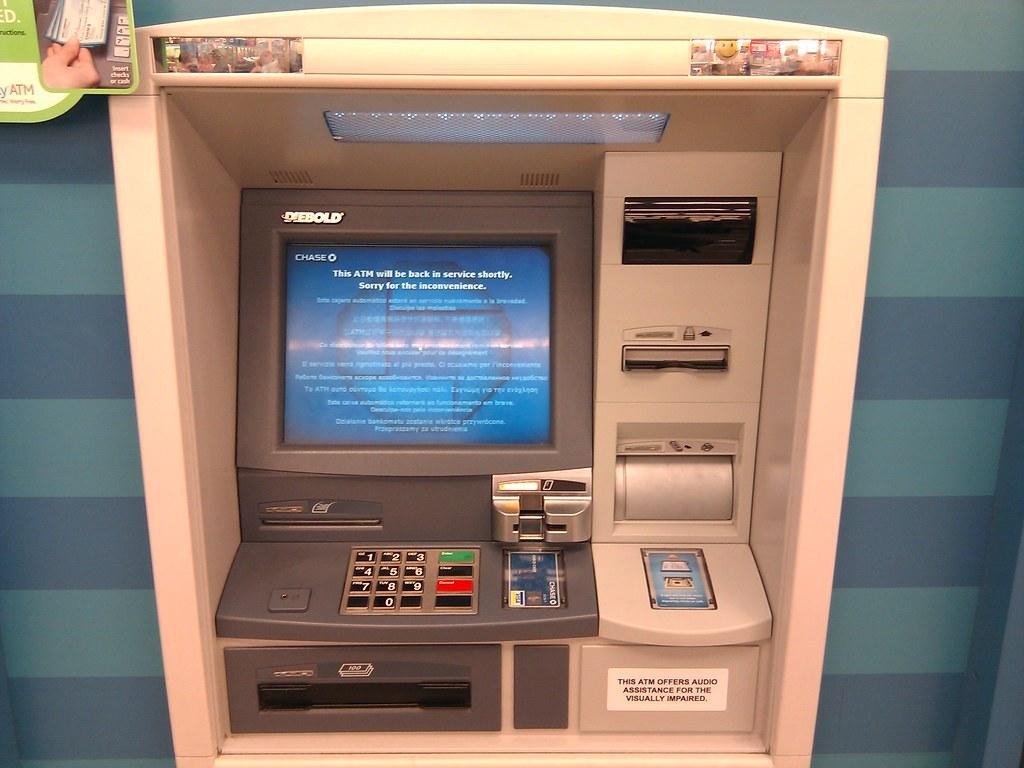
An ATM can be an important part of a retail business, financial institution, or independent ATM operation. Customers expect the machine to be available when they need cash, while businesses need reliable equipment that does not create unnecessary maintenance problems. Regular ATM machine service can help identify technical issues, maintain equipment performance, and reduce avoidable interruptions.
ATM maintenance involves more than repairing a machine after it stops working. Preventive inspections, software updates, connectivity checks, component testing, security monitoring, and timely repairs can all contribute to dependable operation. A structured service program can also help businesses understand when equipment needs repair, replacement, or an upgrade.
What Is ATM Machine Service?
ATM machine service includes the technical support and maintenance activities required to keep an automated teller machine operational. Depending on the service arrangement, this can include preventive maintenance, emergency repairs, installation, programming, monitoring, troubleshooting, and component replacement.
Service models can vary. Some businesses use annual maintenance contracts, while others prefer pay-per-call or time-and-material arrangements. The appropriate option depends on the number of machines, transaction volume, equipment age, location, and internal technical resources.
A reliable service strategy should focus on preventing avoidable downtime rather than responding only after a machine has failed.
Why Is Preventive Maintenance Important?
Preventive maintenance involves inspecting and testing equipment at scheduled intervals to identify developing problems.

An ATM contains multiple mechanical, electronic, and communication components. Card readers, receipt printers, cash dispensers, keypads, displays, sensors, and communication systems can all experience wear or faults over time.
Regular inspections can help identify issues before they become complete failures. Preventive maintenance is also useful for machines operating in demanding environments where dust, temperature changes, heavy customer use, or other conditions can affect performance.
Research into predictive maintenance for ATM fleets has shown how machine event logs can be analyzed to support maintenance decisions and improve equipment availability.
1. Inspect the Cash Dispensing System
The cash dispenser is one of the most important mechanical systems inside an ATM.
It needs to correctly identify, separate, and dispense banknotes without causing repeated transaction errors. Problems can develop because of worn components, incorrect cash loading, damaged notes, dust, or mechanical obstructions.
A service technician can inspect relevant components, test dispensing functions, and identify signs of wear.
Businesses should also pay attention to recurring cash-dispensing errors. A machine that repeatedly experiences the same issue may require a deeper mechanical inspection rather than repeated resets.
2. Maintain the Card Reader
The card reader is another critical component because it handles the customer’s payment card during a transaction.
Regular service should include checking the reader’s physical condition and verifying that transactions are being processed correctly. Modern payment environments also require attention to appropriate security protections.
The PCI Security Standards Council’s ATM guidance covers security considerations involving physical access, service interfaces, software configuration, key management, and maintenance operations.
A service program should therefore include both functional testing and security-conscious maintenance procedures.
3. Check the Receipt Printer and Display
Receipt printers may experience paper-feed problems, jams, worn components, or sensor issues. A malfunctioning printer can leave customers uncertain about whether a transaction was completed successfully.
The display and user interface should also be inspected. Customers need clear instructions and a responsive interface throughout the transaction process.
Routine testing can identify issues with displays, buttons, printers, and other customer-facing components before they lead to repeated complaints or service interruptions.
4. Monitor Connectivity
An ATM needs reliable communication with its processing environment. Connectivity problems can prevent transactions from being authorized or cause the machine to become unavailable.
During service, technicians can check communication equipment, connections, configuration, and error records.
Connectivity issues can sometimes originate outside the physical ATM, so troubleshooting should consider the entire communication path rather than automatically replacing ATM hardware.
For businesses operating multiple machines, centralized monitoring can make it easier to identify outages and recurring communication problems.
5. Keep Software and Systems Updated
ATM hardware is only one part of the operating environment. Software configuration and system updates can also affect security, compatibility, and reliability.
The PCI ATM security guidance specifically addresses software configuration and maintenance operations as part of ATM security management.
Updates should be performed according to the requirements of the equipment manufacturer, processor, and applicable security standards.
Businesses should also maintain records of significant maintenance and configuration changes. This can make troubleshooting easier and provide a useful history when recurring problems occur.
6. Pay Attention to ATM Security
Security should be incorporated into routine servicing rather than treated as a separate concern.
Technicians and operators should be alert for signs of tampering, unusual hardware changes, damaged locks, unauthorized access, or suspicious components.
PCI Security Standards Council guidance emphasizes protections for service interfaces, physical access, and ATM maintenance activities. It also recommends reliable logging of maintenance operations and physical access to ATM interiors.
Businesses should establish clear procedures for reporting suspicious activity and restricting access to authorized personnel.
7. Choose the Right Service Arrangement
Not every business requires the same type of maintenance contract.
A location with one low-volume machine may prefer an on-demand repair arrangement. A business operating multiple machines may benefit from scheduled maintenance and centralized support.
Common service structures include:
Annual Contracts
Annual agreements can provide predictable coverage for routine maintenance and repairs.
Transaction-Based Services
Some arrangements connect service costs to ATM activity, making them potentially useful for operators with varying transaction volumes.
Pay-Per-Call Support
Pay-per-call arrangements allow businesses to request assistance when a problem occurs without committing to a long-term maintenance contract.
The best choice depends on equipment age, usage, location, and the consequences of downtime.
8. Evaluate the Service Provider
Selecting a qualified service company is as important as selecting the right maintenance plan.
An experienced ATM service provider should be able to explain its response procedures, technician coverage, supported equipment, parts availability, security practices, and service-level commitments.
Businesses should ask:
- What equipment does the provider support?
- What is the typical response process?
- Are emergency repairs available?
- Are replacement parts included?
- Does the provider offer preventive maintenance?
- Can it support multiple locations?
- Are installation services available?
- How are maintenance records handled?
- What security procedures do technicians follow?
- Which costs are included in the contract?
Clear answers can help businesses compare providers based on actual service capabilities rather than price alone.
What If an ATM Needs Replacement?
Sometimes repair is no longer the most practical option. Older equipment may have limited parts availability, outdated technology, or security and compatibility constraints.
Before replacing a machine, businesses should compare the cost of continued maintenance with the cost of newer equipment. Equipment condition, transaction volume, expected service life, security requirements, and processor compatibility should all be considered.
If a replacement is required, businesses researching an ATM machine for sale should evaluate serviceability and long-term support alongside the initial equipment cost.
A lower purchase price may not provide good value if the equipment is difficult to maintain or has limited support.
How Can Businesses Reduce ATM Downtime?
Reducing downtime requires a combination of preventive maintenance, monitoring, reliable connectivity, appropriate cash management, and rapid technical support.
A practical maintenance program can include:
- Scheduled inspections
- Component testing
- Software maintenance
- Security checks
- Connectivity monitoring
- Cash-dispenser testing
- Printer inspection
- Error-log review
- Timely replacement of worn components
Service providers may also offer remote monitoring and alert response, allowing some issues to be identified before customers report them.
The objective is not simply to repair failures quickly but to reduce the number of failures that occur in the first place.
Conclusion
ATM machine service plays an important role in maintaining ATM availability, security, and operational reliability. Regular inspections can identify worn components, connectivity issues, software problems, and other faults before they develop into more serious failures. Preventive maintenance can also support longer equipment life and more consistent customer experiences. Businesses comparing an ATM machine for sale should consider the equipment’s long-term service requirements rather than focusing only on its initial price. Equally, selecting an ATM service provider should involve evaluating technical expertise, response times, preventive maintenance options, security procedures, equipment coverage, and total service costs.
Related Reading: How Technology Is Impacting the Future of Jobs — full guide
Related Reading: Best Ways to Prevent Data Breaches — full guide
Related Reading: Top Benefits of Business Software Integration — full guide